Buying a PSA oxygen plant in Uganda.
A Makerere University case study reports 33 PSA generators operating in Uganda and finds that the plants had no recurrent budgets for maintenance. In 2022 WHO handed over generators to the Ministry of Health for the oxygen plants at three regional referral hospitals, and a World Bank financed contract covers power equipment for another plant. This guide sets out those public facts and what to check before you buy.
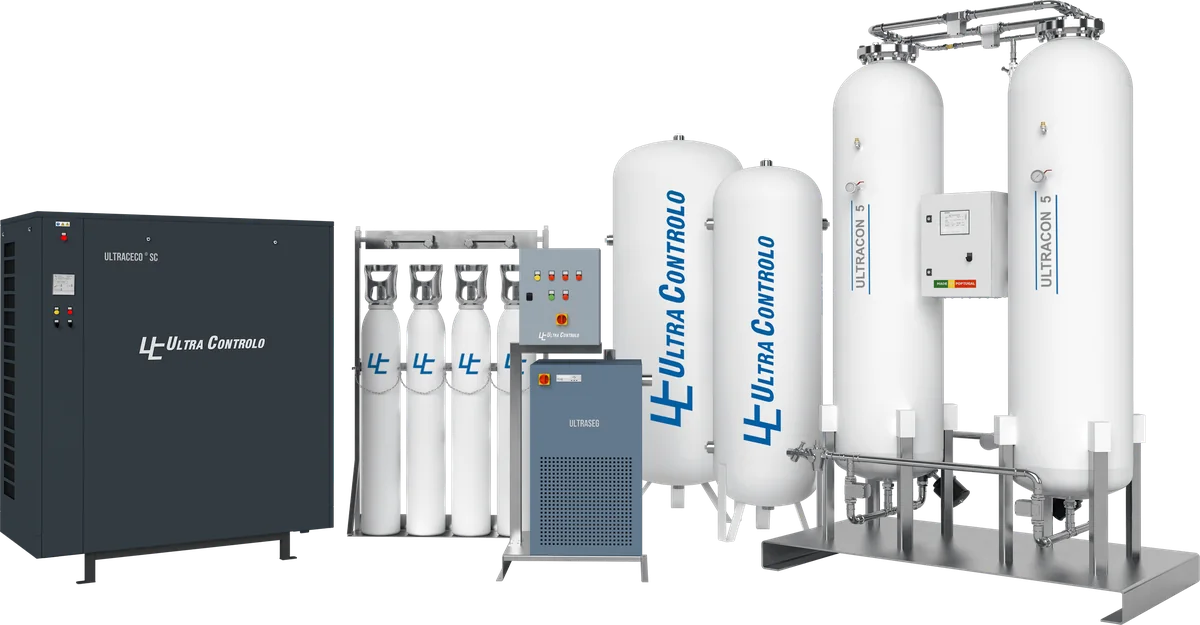
Why servicing matters in Uganda.
A Makerere University case study for the Lancet Global Health Commission on Medical Oxygen Security reports 33 PSA generators operating nationwide, with capacities from 15 to 100 m³/hour, and 27 more in various stages of installation by June 2024.
A key finding of the study is that the PSA plants did not have recurrent budgets for routine maintenance, servicing and repair, and that electricity for the plants was not provided for in facility operations budgets. The study is based on 10 key informant interviews, extracts from national newspapers and reports of four workshops held by the National Medical Oxygen Coordinating Task Force between January and June 2024.
On 2 March 2026, New Vision reported that health experts within the Ministry of Health say limited maintenance budgets, scarce spare parts and unstable electricity continue to affect service delivery.
- PSA generators
- 33 operating nationwide, from 15 to 100 m³/hour, as the Makerere case study gives them
- Being installed
- 27 more by June 2024, in various stages of installation (same study)
- Maintenance budgets
- No recurrent budget for routine maintenance, servicing and repair, the study found
- Spare parts
- Often imported, with facilities bound by contract to order them from the original foreign suppliers (same study)
- Generators
- Three handed over by WHO for the oxygen plants at Gulu, Jinja and Kabale Regional Referral Hospitals (25 May 2022)
- Public tenders
- The e-GP Uganda portal, with the national roll-out of e-GP 2.0 planned for 1 July 2026 (PPDA)
Study and press figures are given as reported. This guide does not cover the registration of medical devices in Uganda, because we have not found an official text to cite.
Four points the study makes.
Parts for many brands
Interviewees said the paucity of spare parts due to the diverse brands in service was a major constraint, and that it was common for breakdowns to last weeks for lack of spare parts, which often had to be imported.
Service through local agents
The study says health facilities were contractually bound to order spares from the original foreign suppliers, and that external suppliers engaged local agents to service the equipment.
No servicing agreement
A Ministry of Health official told the authors that some hospital plants have failed for lack of servicing agreements with equipment suppliers.
Close to six months at Kabale
At Kabale Regional Referral Hospital a PSA plant had been broken down for close to six months at the time of the study, and the hospital had to procure oxygen in cylinders more than 400 kilometres away, in Kampala.
What two public records cover.
Read on 21 November 2026 on the WHO Africa website and in the World Bank procurement notices. Neither is an open call: one is a handover and the other a contract award.
| Point | WHO generator handover | World Bank contract award |
|---|---|---|
| Reference | WHO Africa press release, 25 May 2022 | Notice OP00278530, published 12 March 2024 |
| Financing | Government of Denmark, through DANIDA | Uganda COVID-19 Response and Emergency Preparedness Project (P174041) |
| Subject | Three generators to ensure steady supply of power for the oxygen plants and medical response | Supply and installation of a transformer, voltage stabilizer and accessories for the oxygen plant |
| Sites | Gulu, Jinja and Kabale Regional Referral Hospitals | Mulago National Isolation Centre |
| How | Handed over to the Ministry of Health, which WHO counts on for continuous supply of fuel and maintenance of the generators | Request for quotations; award notified on 23 March 2023, for a contract of 4 months |
Where public tenders in Uganda are published.
Uganda’s Public Procurement and Disposal of Public Assets Authority (PPDA) said in a press statement of 5 June 2026 that the re-engineered e-GP 2.0 would be rolled out nationally on 1 July 2026, and that the upgraded version is intended to fully digitise procurement processes across all procuring and disposing entities (PDEs), including local governments. The statement says e-GP was introduced in 2021, that deployment had expanded to 36 PDEs as of 2025, and that the new phase introduces a Central Supplier Platform for one-time supplier registration and fully electronic bid submission.
The e-GP Uganda portal at egpuganda.go.ug, read on 21 November 2026, lists PDEs, PDE plans, bid notices, BEB notices, contracts awarded and suppliers, with entries to register as a supplier and to log in. The statement describes a plan, and neither it nor the portal home page mentions oxygen plants, so check on the portal whether the buying entity is live.
Notices for World Bank financed projects appear in the World Bank procurement notices. A search there for “oxygen plant”, run on 21 November 2026, returns one notice for Uganda: the 2024 contract award for the Mulago transformer and voltage stabiliser.
Three checks before you request a quote.
Short and specific to a purchase in Uganda. The general method is in the guides linked below.
Put servicing in the offer
The Makerere study found no recurrent maintenance budgets, and a ministry official said some plants had failed for lack of servicing agreements. Settle in the offer who services the plant, which spare parts come with it and who pays for them.
Plan the power supply
WHO handed over generators for the oxygen plants at three regional referral hospitals, and a World Bank financed contract covered a transformer and voltage stabiliser at Mulago. Tell us what generator, transformer or stabiliser the site has, and who will pay for fuel and electricity.
Find the notice and register
Check on egpuganda.go.ug whether the buying entity publishes there, and register as a supplier. For a World Bank financed project, read the notice in the World Bank procurement notices as well.
Where are public tenders published in Uganda?
On the e-GP Uganda portal at egpuganda.go.ug, which lists bid notices, BEB notices, contracts awarded and supplier registration. PPDA said in a press statement of 5 June 2026 that e-GP 2.0 would be rolled out nationally to all procuring and disposing entities on 1 July 2026.
The statement describes a plan, so check on the portal whether the buying entity is live. Notices for World Bank financed projects appear in the World Bank procurement notices.
What did the Makerere study find about Uganda’s PSA plants?
The case study, by Makerere University authors for the Lancet Global Health Commission on Medical Oxygen Security, reports 33 PSA generators operating nationwide, from 15 to 100 m³/hour, and 27 more in various stages of installation by June 2024.
It found that the plants had no recurrent budgets for routine maintenance, servicing and repair, that interviewees saw the paucity of spare parts due to the diverse brands in service as a major constraint, and that facilities were contractually bound to order spares from the original foreign suppliers. It does not say how many plants are working today.
What power support have Uganda’s hospital oxygen plants received?
A WHO release of 25 May 2022 says WHO handed over three generators, bought with support from the Government of Denmark through DANIDA, to the Ministry of Health to ensure steady supply of power for the oxygen plants and medical response in Gulu, Jinja and Kabale Regional Referral Hospitals.
A World Bank contract award notice published on 12 March 2024, under project P174041, covers the supply and installation of a transformer, voltage stabilizer and accessories for the oxygen plant at the Mulago National Isolation Centre.
What does the Makerere study recommend for servicing?
Its key messages say that building a critical mass of qualified biomedical engineers competent in medical oxygen equipment management should be a priority, and that delegating the maintenance and servicing of PSA plants across the country to the National Medical Stores would build technical expertise and attract dedicated budgets.
Does Ultra Controlo have projects in Uganda?
No news story on this site reports an Ultra Controlo project in Uganda. This page is a buying guide, built from public sources.
Who services an ULTRAOX plant after handover?
UltraCare is Ultra Controlo’s technical assistance programme for its medical gas systems, available 24 hours a day, 365 days a year. It covers preventive maintenance and monitoring, corrective service, original spare parts and rental equipment while a unit is serviced.
ULTRAOX is designed for a minimum life cycle of 150,000 hours, which Ultra Controlo presents as an investment for at least 20 years.
Learn more
PSA oxygen plant maintenance
How to choose a PSA oxygen generator
Hospital oxygen plant sizing
View ULTRAOX
- Where are Ugandan public tenders published?
- What did a Makerere study find about servicing PSA plants in Uganda?
- What power support have Uganda’s hospital oxygen plants received?
- What do World Bank notices show on African oxygen plant buys?
- Should an oxygen plant tender require local after-sales service?
- Does a PSA plant need a backup generator or UPS?
Ready to discuss oxygen for your hospital?
Tell us about your site. Our engineering team sizes the configuration and sends a quote.