Buying a PSA oxygen plant in Chad.
In 2024 two hospital oxygen plants were inaugurated in N’Djamena, funded by the Global Fund with technical support from WHO. This guide sets out what WHO’s public reports say and what to check before you buy a PSA oxygen plant.
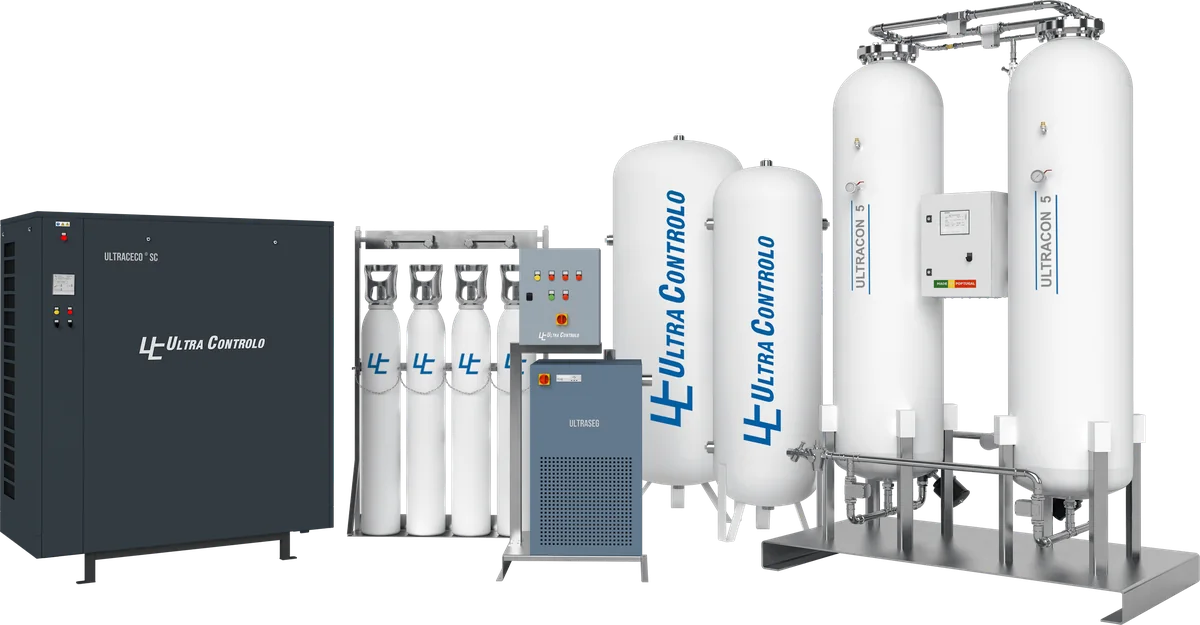
What WHO has published on oxygen plants in Chad.
Two news releases from the WHO Regional Office for Africa, dated November 2024 and March 2025, describe recent hospital oxygen plants in Chad.
On 25 November 2024, WHO reported the inauguration of two oxygen production plants in N’Djamena, at the CHU La Renaissance and the CHU Bon Samaritain. Each produces 60 cylinders of 150 bar per day, intended to serve nearby hospitals and health facilities.
The two plants cost 828 million FCFA in total, about 85% of it for the oxygen production equipment. They were financed by the Global Fund under its C19RM mechanism, with technical support from WHO. The release counts four large-capacity oxygen plants in Chad, with two more planned at Gozbeida and Ati.
- Source
- WHO Regional Office for Africa, news releases of 25 November 2024 and 10 March 2025
- Plants inaugurated
- Two, in N’Djamena: CHU La Renaissance and CHU Bon Samaritain
- Output
- 60 cylinders of 150 bar per day at each plant
- Cost
- 828 million FCFA for both plants, about 85% for production equipment
- Funding
- Global Fund, C19RM, with technical support from WHO
- Large plants in Chad
- Four, with Gozbeida and Ati planned (November 2024)
- CHU La Renaissance
- In operation since January 2025, replacing a plant installed in 2013
The releases do not say how the plants are powered, and this guide does not cover Chad’s registration rules or tender portal, because we have not found an official text to cite.
Four points the reports make.
A new plant for an old one
The March 2025 release says the plant at CHU La Renaissance replaced one installed in 2013, which had become outdated. The new plant has run since January 2025.
Beds as well as cylinders
At the inauguration the Minister of Health asked technicians to connect every bed to the oxygen system.
Maintenance and training
WHO reports that the Ministry of Health and its partners have put preventive maintenance measures and the training of local technicians in place to keep the equipment running.
Delivery was not simple
WHO’s representative noted logistical and administrative difficulties during implementation, which is a reason to plan delivery and installation early.
Three checks before you request a quote.
Short and specific to a purchase in Chad. The general method is in the guides linked below.
Ask who is funding
The recent N’Djamena plants were funded by the Global Fund with WHO technical support. Ask the contracting authority whether a donor or technical partner sets the specification.
Ask how the plant is powered
The WHO release does not state the power source. Ask the hospital for its supply and any generator, then read the guide on generators and UPS.
Plan maintenance and training
Ask for a maintenance plan and for the training of local technicians in the offer, as WHO describes for the N’Djamena plants.
Who financed the new oxygen plants in N’Djamena?
WHO’s release of 25 November 2024 says the two plants at CHU La Renaissance and CHU Bon Samaritain were financed by the Global Fund under its C19RM mechanism, with technical support from WHO. The total cost was 828 million FCFA.
How much oxygen do the N’Djamena plants produce?
Each of the two plants produces 60 cylinders of 150 bar per day, according to WHO. For the CHU La Renaissance plant, WHO’s March 2025 release gives 21,900 cylinders per year and says it can serve between 600 and 1,000 patients needing oxygen therapy each year.
Does the WHO release say how the plants are powered?
No. The release does not state the power source. Power supply is part of the site assessment for any PSA plant, so ask the hospital for its supply and any generator before sizing the plant.
What documents does Ultra Controlo provide for a tender?
ULTRAOX oxygen plants carry CE marking as Class IIb medical devices through notified body 1639 (SGS), with the whole plant certified as a single medical device, and are built to EN ISO 7396-1. For tenders, Ultra Controlo provides its certificates, CE declarations of conformity and technical dossiers.
Who services an ULTRAOX plant after handover?
UltraCare is Ultra Controlo’s technical assistance programme for its medical gas systems, available 24 hours a day, 365 days a year. It covers preventive maintenance and monitoring, corrective service, original spare parts and rental equipment while a unit is serviced.
ULTRAOX is designed for a minimum life cycle of 150,000 hours, which Ultra Controlo presents as an investment for at least 20 years.
Ready to discuss oxygen for your hospital?
Tell us about your site. Our engineering team sizes the configuration and sends a quote.