Buying a PSA oxygen plant in Tunisia.
UNOPS invited bids for two PSA oxygen plants in Tunisia in 2022, UNICEF sought a firm to finish PSA oxygen generator sites at Tozeur and Kébili in 2024, and an 80 m³ per hour oxygen generator donated by Saudi Arabia was inaugurated at a hospital in Mahdia in 2025. This guide sets out those public facts and what to check before you buy.
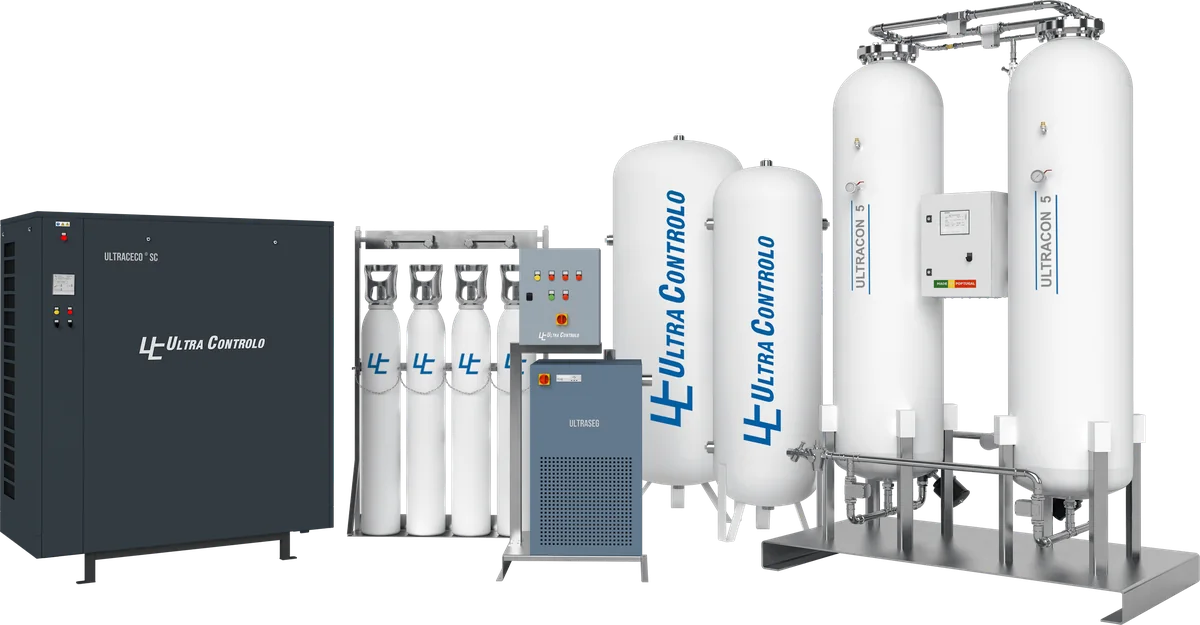
Oxygen plants for Tunisian hospitals.
Public reports describe two hospitals that gained their own oxygen generators: Kébili Regional Hospital, with UNICEF’s help during the COVID-19 response, and the Tahar Sfar university hospital in Mahdia, with a generator donated by Saudi Arabia and inaugurated in April 2025.
A UNICEF story of 7 September 2023 quotes the director of the Maintenance and Safety Department at Kébili: from 2020 to 2022 the hospital’s oxygen came in tanks from Tunis, 550 kilometres away, and it now provides oxygen for its own needs. In Mahdia, La Presse de Tunisie reported that the generator inaugurated on 24 April 2025 has a capacity of 80 cubic metres of oxygen per hour and was offered by Saudi Arabia under bilateral cooperation; Webdo, citing the TAP agency, calls it a gift of KSrelief.
The two UN calls read for this guide, both on UNGM, concern PSA plants. In 2022 UNOPS invited bids for two PSA oxygen generating plants, for sites at Msaken and Djerba. In 2024 UNICEF sought a construction company to finish the sites where PSA oxygen generators are to be installed at the Tozeur and Kébili regional hospitals.
- Kébili Regional Hospital
- An oxygen plant provided with UNICEF’s help for the COVID-19 response; oxygen had come in tanks from Tunis, 550 km away (UNICEF, 7 September 2023)
- Mahdia
- An 80 m³ per hour oxygen generator at the Tahar Sfar university hospital, inaugurated on 24 April 2025, offered by Saudi Arabia (La Presse de Tunisie)
- PSA plant bid
- UNOPS ITB/2022/43573 for two plants, published on 14 September 2022, closed on 17 October 2022 (UNGM)
- Generator site works
- UNICEF LRPS-2024-9190395 for Tozeur and Kébili, published on 22 May 2024, closed on 12 June 2024 (UNGM)
- World Bank COVID-19 project
- The capacities of 75 health facilities in all 24 governorates enhanced, with delivery of over 1,000 medical equipment units (results page, May 2026)
- World Bank procurement partner
- UNOPS in Tunisia, which the same World Bank page says helped with procurement and delivery
Press figures are given as reported. This guide does not cover the registration of medical devices in Tunisia.
What the reports say about each plant.
What the story shows at Kébili
The UNICEF story describes a new structure at Kébili with rows of oxygen tanks fixed to the wall and a large oxygen generator. The maintenance director says the hospital’s oxygen equipment is not used just for COVID-19.
Donors credited at Kébili
The story says the UNICEF and Ministry of Health work in Kébili was made possible by Germany through KfW, the United States through USAID, Gavi and Japan. It does not say which of them paid for the oxygen plant. KfW’s Tunisia director says its support included oxygen analysers to improve the functionality of oxygen generators, with training for health staff on the new equipment.
Mahdia’s generator came as a gift
La Presse reported that the Mahdia project also includes a production unit, an industrial cooling system and storage and distribution facilities. At the ceremony, it reports, the KSrelief supervisor general recalled that Saudi Arabia had supplied Tunisia with five oxygen generators during the COVID-19 pandemic.
What the reports leave out
Neither Mahdia report says who installed or maintains the generator. The Kébili story gives no technology, capacity or supplier, and does not call the equipment a PSA plant.
What each call asked for.
Read on 21 November 2026 on UNGM. Both deadlines have passed. The UNOPS call was for the plants themselves; the UNICEF call was for site works, and its notice does not say who supplies the generators.
| Point | UNOPS, two PSA plants | UNICEF, Tozeur and Kébili sites |
|---|---|---|
| Reference | ITB/2022/43573 | LRPS-2024-9190395 |
| Published | 14 September 2022 | 22 May 2024 |
| Deadline | 17 October 2022 | 17:00 Tunis time, 12 June 2024 |
| Subject | Supply, installation, testing, commissioning, training and after-sales service of two PSA oxygen generating plants, for sites at Msaken and Djerba, on CPT terms under Incoterms 2020 | A construction company to finish the works at the sites where PSA oxygen generators are to be installed at the Tozeur and Kébili regional hospitals |
| Technical points | A single configuration, not duplex; air compressors of at least 250 cfm at Msaken and 390 cfm at Djerba; an oxygen booster for at least 90 cylinders a day at Msaken and 130 at Djerba; cylinders with valves and a backup manifold; a CSC approved container used only for transport, with the plant installed in a dedicated room | Not given on the notice page: the terms of reference for the technical platforms, and a price schedule and drawings for each hospital, are attached files |
| How to respond | Through the UNOPS eSourcing system on UNGM, as a vendor registered with UNOPS | By email only, with the financial proposal sent separately from the technical proposal and the services request form completed and signed |
| Who could bid | No obligation to bid via a local company; manufacturers could bid directly and say so in Form E | Construction companies |
Where oxygen calls for Tunisia have appeared.
Both oxygen calls read for this guide were published on the UN Global Marketplace (UNGM): by UNOPS in September 2022, with bids through the UNOPS eSourcing system, and by UNICEF in May 2024, with proposals by email.
A World Bank results page of May 2026 says its partnership with UNOPS in Tunisia helped with procurement and delivery for its health projects, and that the Tunisia COVID-19 response project trained more than 1,700 medical and technical professionals on the operation, maintenance and use of the new equipment. A buyer’s name on such a page does not show that a tender is open.
This guide covers these UN calls only. It does not report tenders run by Tunisian public buyers on national channels.
Three checks before you request a quote.
Short and specific to a purchase in Tunisia. The general method is in the guides linked below.
Know who is buying
Ask whether the buyer is the Ministry of Health, a hospital or a donor agency. In the cases read for this guide, UNOPS ran the PSA plant bid, UNICEF the site works at Tozeur and Kébili, and the Mahdia generator came as a donation from Saudi Arabia.
Give the cylinder count
The 2022 UNOPS bid set a minimum air compressor capacity and a daily cylinder count for each site, at least 90 cylinders a day at Msaken and 130 at Djerba. Tell us the oxygen flow in m³/h and, for filling, the cylinder size and how many cylinders a day.
Settle the room, the works and the training
In the UNOPS bid the container served only for transport and the plant went into a dedicated room. At Tozeur and Kébili, UNICEF’s call covered only the works to finish the generator sites. The UNOPS scope also included training and after-sales service. Settle all three in the offer.
Where have oxygen calls for Tunisian hospitals been published?
The two calls read for this guide were published on the UN Global Marketplace: by UNOPS in 2022, for two PSA oxygen generating plants, and by UNICEF in 2024, for the works to finish the PSA oxygen generator sites at the Tozeur and Kébili regional hospitals. Both have closed.
What did UNOPS ask for in its 2022 bid for two PSA plants?
UNOPS invitation to bid ITB/2022/43573, published on 14 September 2022, sought supply, installation, testing, commissioning, training and after-sales service for two PSA oxygen generating plants on CPT terms. Its clarifications called for a single configuration, not duplex, air compressors of at least 250 cfm at Msaken and 390 cfm at Djerba, and an oxygen booster for at least 90 and 130 cylinders a day. Bids closed on 17 October 2022.
The clarifications also say there was no obligation to bid via a local company, and that manufacturers could bid directly.
What did UNICEF’s 2024 Tozeur and Kébili tender cover?
UNICEF’s request for proposals LRPS-2024-9190395, published on 22 May 2024, sought a construction company to finish the works at the sites where PSA oxygen generators are to be installed at the Tozeur and Kébili regional hospitals. Proposals went by email, with the financial proposal sent separately from the technical proposal, by 17:00 Tunis time on 12 June 2024.
The notice does not say who supplies the generators.
Who donated the oxygen generator at the Tahar Sfar hospital in Mahdia?
La Presse de Tunisie reported that the generator inaugurated on 24 April 2025 at the Tahar Sfar university hospital in Mahdia, with a capacity of 80 cubic metres of oxygen per hour, was offered by Saudi Arabia under bilateral cooperation. Webdo, citing the TAP agency, describes it as a gift of Saudi Arabia’s King Salman relief centre, KSrelief. Neither report says who installed or maintains it.
Does Ultra Controlo have projects in Tunisia?
No news story on this site reports an Ultra Controlo project in Tunisia. This page is a buying guide, built from public sources.
What documents does Ultra Controlo provide for a tender?
ULTRAOX oxygen plants carry CE marking as Class IIb medical devices through notified body 1639 (SGS), with the whole plant certified as a single medical device, and are built to EN ISO 7396-1. For tenders, Ultra Controlo provides its certificates, CE declarations of conformity and technical dossiers.
Learn more
How to choose a PSA oxygen generator
PSA oxygen cylinder filling plant
Medical gas pipeline systems
View ULTRAOX
- What did a 2022 UNOPS bid for two Tunisian PSA plants require?
- UNICEF 2024 tender for PSA oxygen generator sites, Tozeur and Kebili
- Who supported the Kébili hospital oxygen plant in Tunisia?
- Who donated the oxygen generator inaugurated at Mahdia hospital in 2025?
- Who supported World Bank health procurement in Morocco and Tunisia?
- What is a manufacturer’s authorisation in an oxygen plant tender?
Ready to discuss oxygen for your hospital?
Tell us about your site. Our engineering team sizes the configuration and sends a quote.