Buying a PSA oxygen plant in Ghana.
In its 2023 to 2027 medical oxygen action plan, Ghana’s Ministry of Health describes hospital oxygen plants, who pays to set them up and how maintenance staff are to be trained, and during COVID-19 a USAID-funded project chose four sites for PSA plants. This guide sets out those public facts and what to check before you buy.
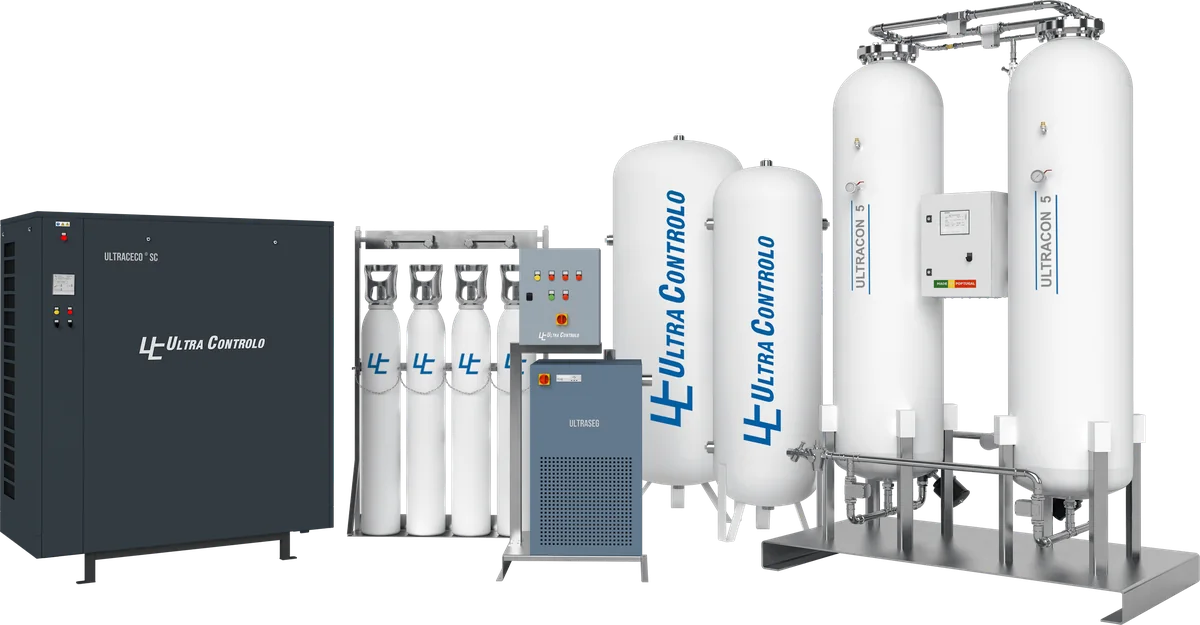
What Ghana’s plan says about hospital plants.
Ghana’s Ministry of Health says the number of hospitals with their own oxygen-producing plants is increasing, but that comprehensive data on the plants, equipment inventories and maintenance records were limited.
Its Strategic Action Plan for the National Medical Oxygen Policy 2023 to 2027, dated January 2023, says that as of the year 2000 only three hospitals had onsite oxygen-producing plants. By August 2021, public and private hospitals with PSA plants delivered the oxygen directly to clinical areas through a central piping system, the plan says, with installed capacities from about 8 m³/hr to around 140 m³/hr and at varying levels of functionality. Hospitals without a plant depend solely on oxygen in cylinders from the commercial market.
Among the challenges health facilities face, the plan lists the high cost of oxygen producing plants, insufficient capacity to maintain oxygen systems, and missing or insufficient oxygen piping networks with leakages. For commercial oxygen production it lists high electricity tariffs and unstable power supply, and limited in-country maintenance capacity for medical oxygen systems and equipment.
- National plan
- Strategic Action Plan for the National Medical Oxygen Policy 2023 to 2027, Ministry of Health, January 2023
- Hospital plant sizes
- About 8 m³/hr to around 140 m³/hr of installed capacity, as the plan describes them for August 2021
- Who buys
- Primarily the individual health facilities, and hospitals can buy independently using their budgets, the plan says
- Grid
- 91.9% of the population had access to electricity in 2024, and 73.8% of firms reported electrical outages in the 2023 Enterprise Survey (World Bank)
- Donor PSA plants
- Four sites chosen by USAID’s RISE project during COVID-19, Cape Coast Metropolitan Hospital among them (Jhpiego, 24 January 2023)
- World Bank financed
- A contract award posted on 23 April 2025 for a laboratory and theatre upgrade including an oxygen plant, by direct selection
The plan’s count of hospitals with plants does not match its breakdown by zone, so this guide gives no total. This guide does not cover the registration of medical devices in Ghana.
What happened at Cape Coast.
From a story published on 24 January 2023 by Jhpiego, which led the USAID-funded RISE consortium. The reasons and results are the ones the story gives.
Sites chosen after an assessment
RISE began its COVID-19 work in Ghana with a country-wide oxygen needs assessment in partnership with the Ghana Health Service. After a review of hospitals and health care facilities in the 16 regions, it chose four sites to receive PSA plants.
Why Cape Coast
Cape Coast Metropolitan Hospital was selected for its location in the populous Central Region, the 142 kilometres it takes to bring oxygen cylinders from Accra, and existing infrastructure that could be readily updated with oxygen piping.
Piped to the beds
With RISE support, the hospital renovated a building on its grounds as a COVID-19 ward, and installed new piping from the PSA plant directly to the beds in the treatment wards.
Cylinders and upkeep
A RISE technical director is quoted as saying the plant now supplies the national ambulance service with oxygen cylinders. The story says the plant operates as an independent business entity, and that proceeds from its oxygen supply contracts will be used for plant maintenance.
What the plan sets out.
Read on 21 November 2026 in the Ministry of Health’s PDF, dated January 2023. Objective 4 is to strengthen the capacity of all relevant staff on management, maintenance and use of medical oxygen. The objectives are intended activities, not evidence that they were carried out.
| Point | What the plan says |
|---|---|
| Initial set up | Government, as part of its capital investment programme, finances the initial set up of medical oxygen in some health facilities, including onsite oxygen production plants and central piping networks. |
| Upkeep | Facilities are responsible for the maintenance and refilling of oxygen cylinders, using their Internal Generated Fund. Secondary and tertiary facilities can finance oxygen supply and undertake planned and corrective plant maintenance to some extent, while most primary health care facilities are challenged with funding for oxygen supply. |
| Barriers it names | Inadequate human resources capacity for use, maintenance and management, inadequate technical training, and poor maintenance including spare parts availability. |
| Training packages | Intervention 4.1: training packages for all relevant staff on the acquisition, rational use, service, repair, maintenance and management of medical oxygen systems. |
| Maintenance staff | Activity 4.1.3 trains maintenance professionals on the maintenance and management of medical oxygen, and Intervention 4.5 trains technical staff for the service, repair, maintenance and management of medical oxygen and related equipment. |
Where oxygen purchases in Ghana have appeared.
The plan says responsibility for procuring medical oxygen and related equipment lies primarily with the individual health facilities, and that hospitals can procure them independently using their budgets.
GHANEPS, the Ghana Electronic Procurement System at ghaneps.gov.gh, describes itself on its home page, read on 21 November 2026, as a web-based system to facilitate public procurement processes in Ghana. It supports user registration, tender notification, tender preparation and submission, online tender evaluation and contract awarding, and its menu lists annual procurement plans, current tenders and awarded contracts. This guide does not report any oxygen notice from it.
A search of the World Bank’s procurement notices for “oxygen plant”, run on 21 November 2026, returned one notice for Ghana: a contract award posted on 23 April 2025 under the Ghana COVID-19 Emergency Preparedness and Response Project, for a laboratory and theatre upgrade including an oxygen plant at a hospital annex, by direct selection. It is an award, not an open call.
Three checks before you request a quote.
Short and specific to a purchase in Ghana. The general method is in the guides linked below.
Know who is buying
The plan says procurement lies primarily with individual health facilities, while government finances the initial set up in some of them, and a World Bank financed contract included an oxygen plant. Ask who the buyer is and whose procurement rules apply.
Settle maintenance and training
The plan names insufficient capacity to maintain oxygen systems and poor maintenance, including spare parts availability, and plans training for maintenance professionals. Agree in the offer who services the plant, which spare parts are kept and who on site is trained.
Plan for power and piping
The plan names unstable power supply and missing or leaking oxygen piping among Ghana’s oxygen challenges, and 73.8% of firms in the World Bank’s 2023 Enterprise Survey reported electrical outages. Tell us how the site is powered, what backup it has and which wards the plant must reach.
What does Ghana’s oxygen action plan say about hospital oxygen plants?
The Ministry of Health’s Strategic Action Plan for the National Medical Oxygen Policy 2023 to 2027, dated January 2023, says only three hospitals had onsite oxygen-producing plants as of the year 2000, and that the number of hospitals with plants is increasing. It gives installed capacities from about 8 m³/hr to around 140 m³/hr, and says comprehensive data on plants and maintenance records were limited.
Who pays for hospital oxygen plants in Ghana?
The plan says government, as part of its capital investment programme, finances the initial set up of medical oxygen in some health facilities, including onsite oxygen production plants and central piping networks. Facilities are responsible for the maintenance and refilling of oxygen cylinders, using their Internal Generated Fund.
Secondary and tertiary facilities can undertake planned and corrective plant maintenance to some extent, the plan says.
How did the RISE project choose sites for PSA plants in Ghana?
Jhpiego wrote in January 2023 that the USAID-funded RISE project ran a country-wide oxygen needs assessment with the Ghana Health Service, reviewed facilities in the 16 regions and chose four sites to receive PSA plants. Cape Coast Metropolitan Hospital was selected for its populous region, its distance from Accra and existing infrastructure that could be updated with oxygen piping.
Is there an open World Bank call for an oxygen plant in Ghana?
Not in the search run for this guide. A search of World Bank procurement notices for “oxygen plant” on 21 November 2026 returned one notice for Ghana, a contract award posted on 23 April 2025 under the Ghana COVID-19 Emergency Preparedness and Response Project. It covers a laboratory and theatre upgrade including an oxygen plant at a hospital annex, by direct selection, with a contract duration of 180 days.
Does Ultra Controlo have projects in Ghana?
No news story on this site reports an Ultra Controlo project in Ghana. This page is a buying guide, built from public sources.
Who services an ULTRAOX plant after handover?
UltraCare is Ultra Controlo’s technical assistance programme for its medical gas systems, available 24 hours a day, 365 days a year. It covers preventive maintenance and monitoring, corrective service, original spare parts and rental equipment while a unit is serviced.
ULTRAOX is designed for a minimum life cycle of 150,000 hours, which Ultra Controlo presents as an investment for at least 20 years.
Learn more
How to choose a PSA oxygen generator
PSA oxygen plant maintenance
Medical gas pipeline systems
View ULTRAOX
- What does Ghana’s oxygen action plan say about hospital PSA plants?
- How does Ghana’s oxygen plan train maintenance professionals?
- Ghana PSA oxygen plant at Cape Coast: how the site was chosen
- How do public tenders run through GHANEPS in Ghana?
- What do World Bank notices show on African oxygen plant buys?
- Does a PSA plant need a backup generator or UPS?
Ready to discuss oxygen for your hospital?
Tell us about your site. Our engineering team sizes the configuration and sends a quote.