Rating
3,600 psi at 70 °F
The typical industry standard for CNG fuelling system pressure is 3,600 psi, and these fill pressures are based on a 70 °F ambient temperature.
Source: US DOE AFDC, Filling CNG Fuel Tanks.

A CNG station takes gas from the distribution system, dries it and compresses it in several stages to 4,500 to 5,000 psi, then fills vehicles at about 3,600 psi, according to a 2012 National Petroleum Council study, published on energy.gov. The Ultra Controlo catalogue does not list natural gas compressors or gas dryers; this page describes the process.
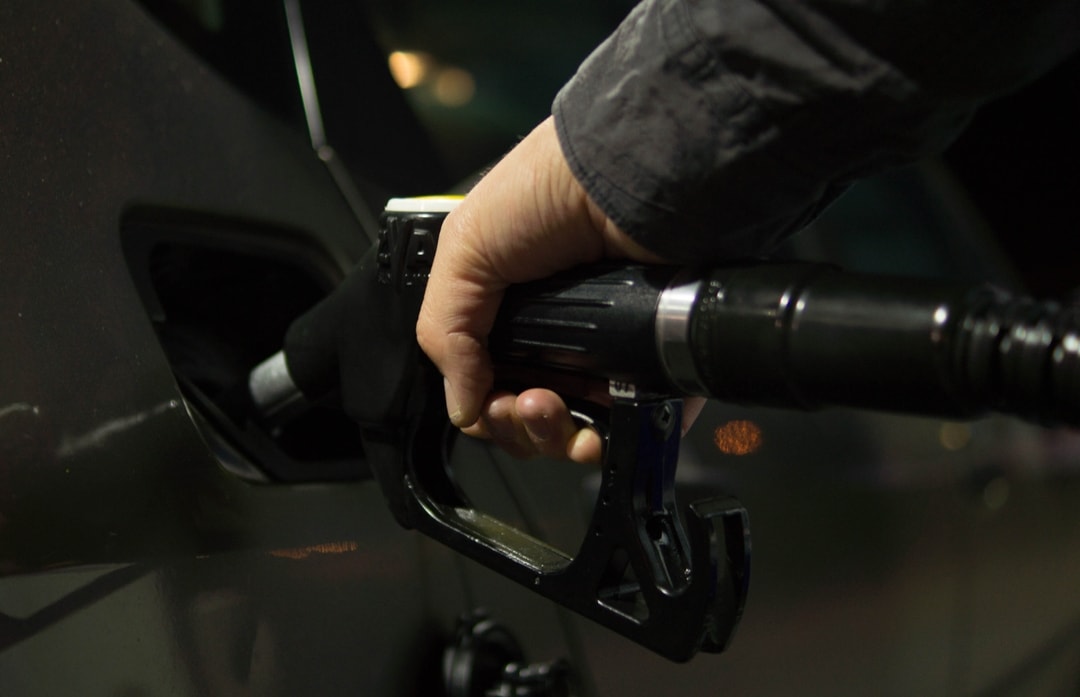
The US Department of Energy's Alternative Fuels Data Center (AFDC) and a National Petroleum Council study published on energy.gov describe these parts.
On-site equipment typically includes dryers to remove moisture from the natural gas taken from the distribution system.
Compressors boost the gas from distribution or transmission pressure to 4,500 to 5,000 psi; their size depends on the number of vehicles to be fuelled.
At fast-fill stations, CNG is often stored at a high service pressure, 4,300 psi, in vessels that act as pressure buffers so the dispenser can fill quickly.
At a time-fill station, a small storage vessel does not fill vehicles; it keeps the compressor from cycling off and on unnecessarily.
Fast-fill dispensers fill from storage or the compressor; time-fill vehicles are generally filled directly from the compressor, with less heat of compression.
Sources: US DOE Alternative Fuels Data Center, Compressed Natural Gas Fueling Stations and Filling CNG Fuel Tanks; National Petroleum Council, Advancing Technology for America's Transportation Future (2012), Chapter 14, Natural Gas, published on energy.gov.
The AFDC explains that the pressure in a CNG tank is rated at a set temperature, and that filling heats the gas.
The typical industry standard for CNG fuelling system pressure is 3,600 psi, and these fill pressures are based on a 70 °F ambient temperature.
Source: US DOE AFDC, Filling CNG Fuel Tanks.
Fast-fill dispensers are equipped with a temperature compensation feature, which the AFDC says helps maintain industry standard conditions and helps vehicles achieve a maximum fill.
Source: US DOE AFDC, Filling CNG Fuel Tanks.
Rapid compression heats the gas and lowers its density, so the AFDC says it is usually more efficient to achieve a fuller fill with a slower time fill than with a fast fill.
Source: US DOE AFDC, Filling CNG Fuel Tanks.
The 2012 NPC study notes that CNG containers in the EU operate at a service pressure of 3,000 psi, while 3,600 psi is the norm in the US market.
Ultra Controlo is a Portuguese manufacturer of compressed air, vacuum and technical gas systems, with 40 years of experience. We design, assemble and test our own compressors, dryers and carbon towers in Portugal, and supply and service five partner brands.
ULTRASCREW compressors, ULTRASEC and ULTRADRY dryers and ULTRAK activated carbon towers.
Gardner Denver, Elmo Rietschle, Thomas, Speck Pumpen (Circutec and SPECK Neunkirchen) and Speck Triplex.
Preventive and corrective maintenance, original spare parts and emergency support, by our own team.
Source: Ultra Controlo Industrial 2026 catalogue, pp. 3, 10, 16, 17 and 22.
The US DOE Alternative Fuels Data Center says the typical industry standard for CNG fuelling system pressure is 3,600 psi, based on a 70 °F ambient temperature. A 2012 National Petroleum Council study notes that CNG containers in the EU operate at 3,000 psi.
A 2012 National Petroleum Council study, published on energy.gov, says on-site equipment typically includes dryers to remove moisture, multistage compressors boosting gas to 4,500 to 5,000 psi, high-pressure storage cylinders as pressure buffers, and dispensers.
The AFDC says fast-fill stations compress gas into storage vessels so dispensers can fill vehicles quickly, while time-fill vehicles are generally filled directly from the compressor, with less heat of compression. Combination stations have both.
No. The Ultra Controlo Industrial 2026 catalogue does not list natural gas compressors or gas dryers. It covers compressed air, vacuum and pumps, its own lines and the partner brands it distributes and services.
If your site needs compressed air, vacuum or pumps, tell us the use, the pressure and the duty. We reply with what we can supply.